Introduction
The world of materials science is constantly evolving, and one of the significant innovations in recent years Steel Fibres has been the use of steel fibres in refractories. These small but mighty components are reshaping how industries approach high-temperature applications, enhancing performance and durability in various sectors, from steel manufacturing to petrochemical processing. With their unique properties, steel fibers provide a robust solution to some of the most challenging issues faced by refractories today.
In this article, we will delve deep into understanding steel fibres and their transformative impact on refractories. We will explore their composition, benefits, applications, and the future landscape of refractory materials enriched by these tiny yet powerful elements.
Understanding Steel Fibres: A Game Changer for Refractories
Steel fibres are short lengths of steel that are added to concrete or other composite materials to enhance their mechanical properties. When incorporated into refractory formulations, they improve tensile strength, toughness, and thermal shock resistance. But what makes these fibres a game changer? The answer lies in their ability to reinforce materials at a microscopic level.
What Are Steel Fibres?
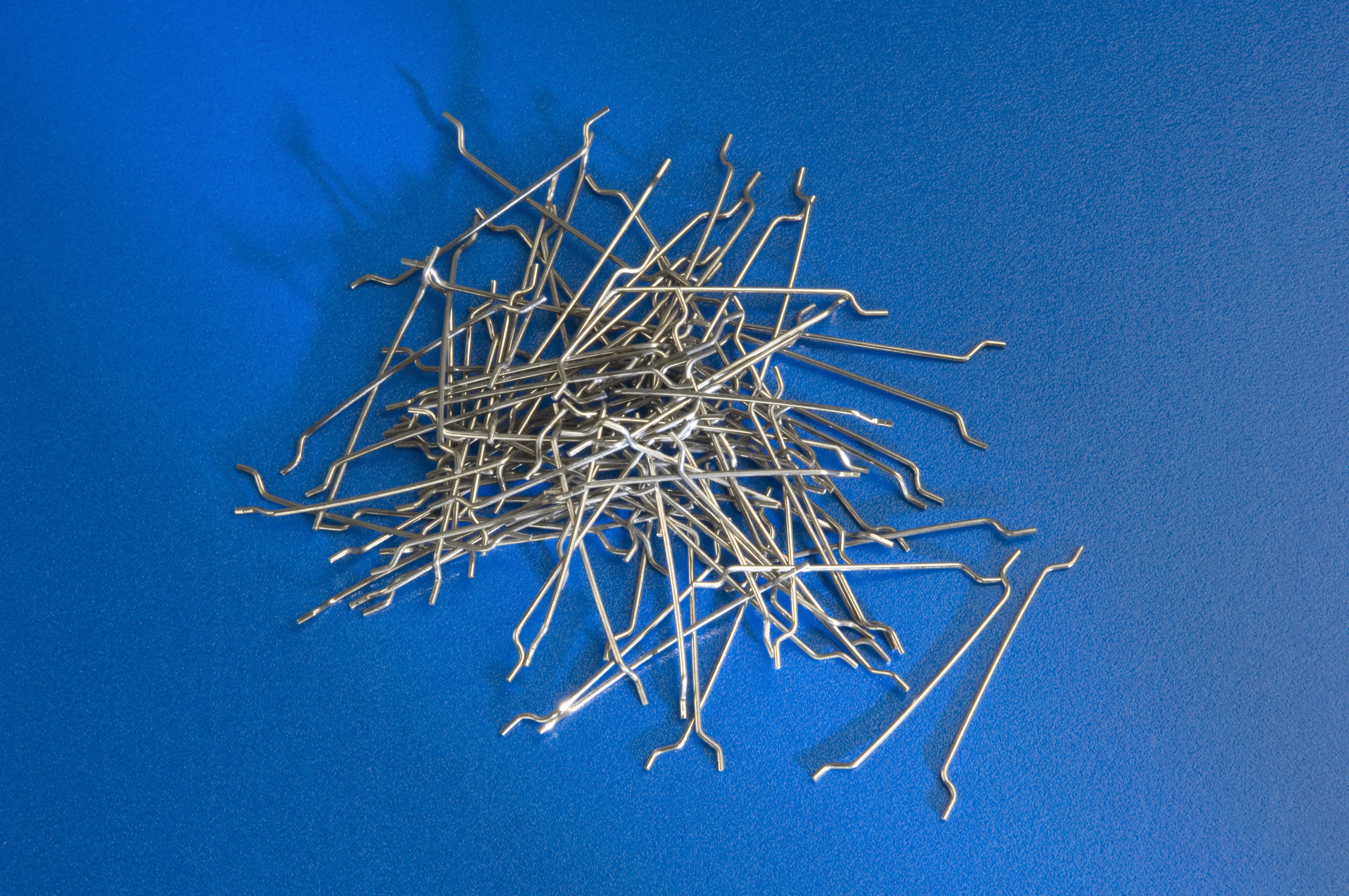
Steel fibres are typically made from high-quality steel wire and come in various shapes and sizes. They can be straight Concrete Reinforcement or hooked and vary in length from just a few millimeters to several centimeters. The addition of steel fibres can help mitigate cracking and failure due to thermal cycling—a common issue faced by traditional refractory materials.
Composition of Steel Fibres
The composition of steel fibres plays a crucial role in determining their effectiveness as reinforcements. Generally composed of carbon steel or stainless steel, these fibres offer excellent strength-to-weight ratios and durability under harsh conditions. This flexibility allows engineers to tailor the material properties according to specific application needs.
Why Use Steel Fibres in Refractories?
Enhanced Mechanical Properties- The incorporation of steel fibres significantly enhances the mechanical strengths of refractories.
- Their unique structure helps absorb thermal stresses effectively.
- By providing tensile support throughout the refractory matrix, they minimize crack propagation.
Applications of Steel Fibres in Refractories
The versatility of steel fibres allows for widespread use across numerous industrial applications:
- Iron and Steel Manufacturing: Used in furnace linings where extreme heat is prevalent. Cement Kilns: Enhances longevity under severe temperature fluctuations. Glass Production: Supports structural integrity during rapid thermal changes.
Benefits of Using Steel Fibres in Refractories
1. Increased Durability
Refractory materials reinforced with steel fibres exhibit increased resistance to wear and tear over time. This durability translates into longer service life, reducing the frequency of maintenance and replacement.
2. Cost-Effectiveness
While there might be an initial investment associated with adding steel fibers, the long-term savings due to reduced downtime and maintenance costs often outweigh this expense.
3. Versatile Applications
Whether it’s high-load industrial furnaces or lower-temperature applications, the adaptability of steel fibers ensures they meet diverse needs across various industries.
Challenges Faced with Traditional Refractory Materials
1. Thermal Shock Damage
Traditional refractories often fail under rapid temperature changes due to thermal shock damage—an area where steel fibers excel by providing additional support.
2. Limited Flexibility
Many conventional refractories lack flexibility which can lead to cracking during expansion or contraction cycles—issues that can be mitigated through the strategic inclusion of steel fibers.
How Are Steel Fibres Manufactured?
The manufacturing process involves several critical steps:
Material Selection: High-quality raw materials are chosen based on desired properties. Drawing: Raw wire is drawn through dies to achieve specific diameters. Cutting: The wire is then cut into appropriate lengths for various applications. Quality Control: Each batch undergoes rigorous testing to ensure consistency and reliability.Types of Steel Fibres Available
1. Straight Steel Fibers
These have uniform lengths and diameters without any additional features for anchoring within the matrix.
2. Hooked Steel Fibers
Designed with hooks at one end, these provide better mechanical anchorage within concrete or refractory matrices.
3. Crimped Steel Fibers
These have a crimped structure that enhances bonding within composite materials further improving performance characteristics.
Comparing Steel Fibres with Other Reinforcement Materials
When it comes down to comparisons, how do steel fibers stack up against other reinforcement options?
| Feature | Steel Fibres | Glass Fibers | Synthetic Fibers | |--------------------------|-----------------------------|---------------------------|--------------------------| | Tensile Strength | High | Moderate | Variable | | Thermal Resistance | Excellent | Poor | Moderate | | Cost | Moderate | Low | High |
As demonstrated above, Steel Fibres while glass fibers may offer lower initial costs, they significantly lag behind when it comes to tensile strength.
FAQs About Steel Fibres
FAQ 1: What do you mean by "thermal shock resistance"?
Answer: Thermal shock resistance refers to a material's ability to withstand rapid temperature changes without cracking or failing structurally.

FAQ 2: Can I use any type of steel fiber for my refractory project?
Answer: While many types exist, selecting the right kind depends on your specific application needs regarding temperature tolerance and stress factors.
FAQ 3: How does adding steel fibers affect concrete mixing?
Answer: Adding steel fibers requires careful consideration during mixing; however, when done correctly, they integrate seamlessly into the mixture without affecting workability significantly.
FAQ 4: Are there environmental concerns related to using steel fibers?
Answer: While producing any material has its ecological footmarks—steel production being no exception—steel fibers themselves can contribute positively by extending service life thereby reducing waste over time.
FAQ 5: Do all manufacturers produce quality-controlled fiber?
Answer: Not all manufacturers adhere strictly; it's essential always to inquire about quality assurance processes when sourcing your materials.
FAQ 6: How much do steel fiber additives cost?
Answer: Costs vary widely based on type and manufacturer; expect prices ranging from moderately priced options up towards premium grades depending on performance specifications required.
Conclusion
In conclusion, understanding steel fibres unveils not only their physical properties but also their potential impact on refractories across multiple industries worldwide—from ironworks through ceramic processes—all benefiting greatly from this innovative integration within traditional systems already established over decades past! As with any technological advancement worthy enough to challenge norms set forth before us—the adoption rates may vary—but what's clear is that these little pieces hold significant promise for future developments ahead!
By embracing this change now while continuing ongoing research into refinement opportunities—we stand poised at an exciting frontier leading toward enhanced efficiency among our industrial practices today! So why wait? Dive deeper into exploring what else awaits around every corner yet unturned!
This article provides a comprehensive look at how understanding steel fibres represents a pivotal shift within refractory technology—a compelling subject worth keeping an eye on as we move forward together!